Episode 2: Dyed in the Wool
October 30, 2023
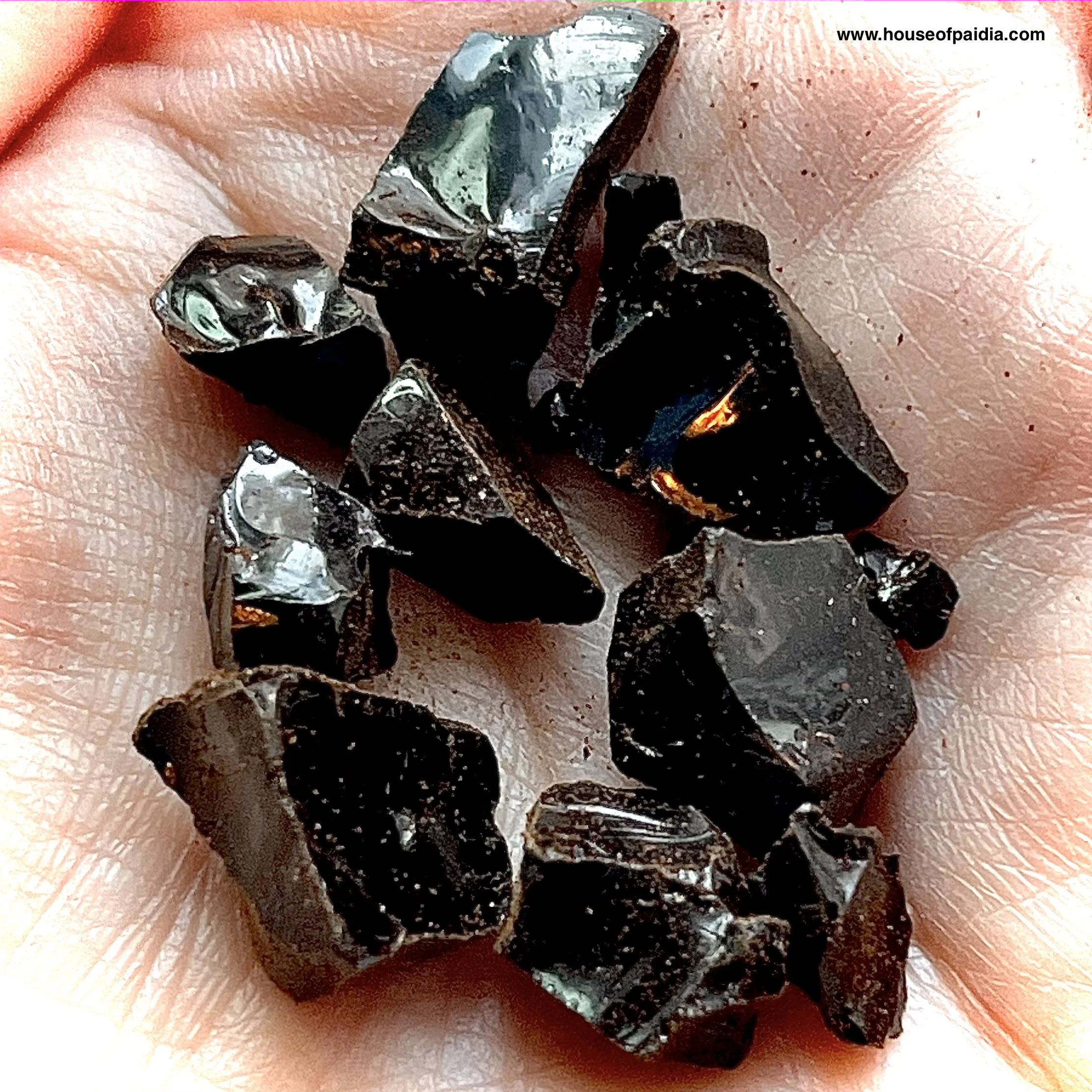
Close up of cutch resin. Cutch is an ancient dye and is derived from the acacia catechu tree. It has a pleasant sweet smell to it when added to a dye bath and produces a lovely reddish brown color on its own. I purchase my cutch from Hillcreek Fiber Studio.
What are natural dyes?
Natural dyes, sometimes referred to as organic dyes, are colorants that are sourced from plants, animals, and minerals. Some of these dyes are historical colorants that well documented for their colorfastness, or fade-resistance. Other dyes, such as turmeric, are classified as fugitive dyes which means that they fade quickly.
Some natural dyes can be used on their own to color textiles while others require a mordant, or dye fixative, to help bind the color to the fiber.
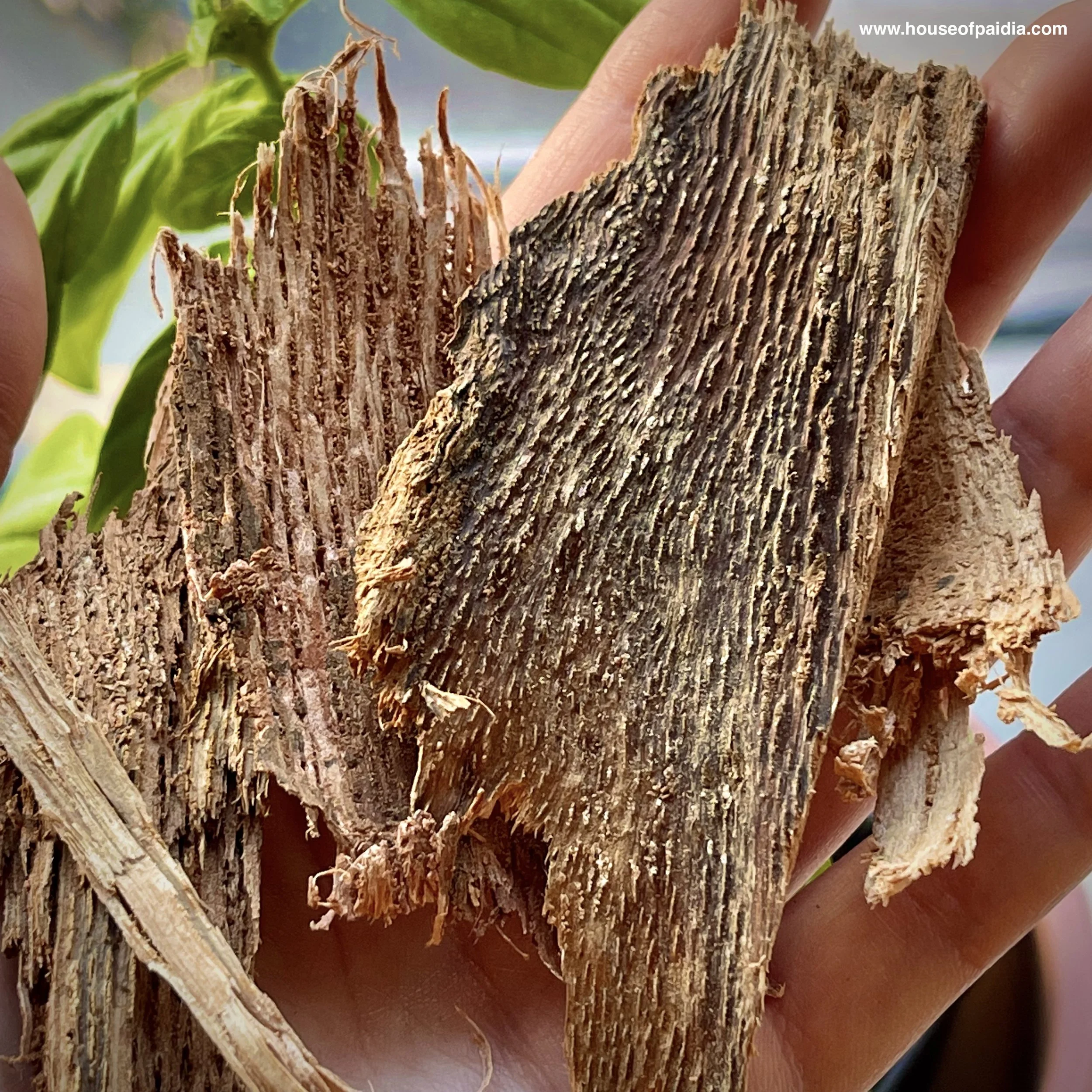
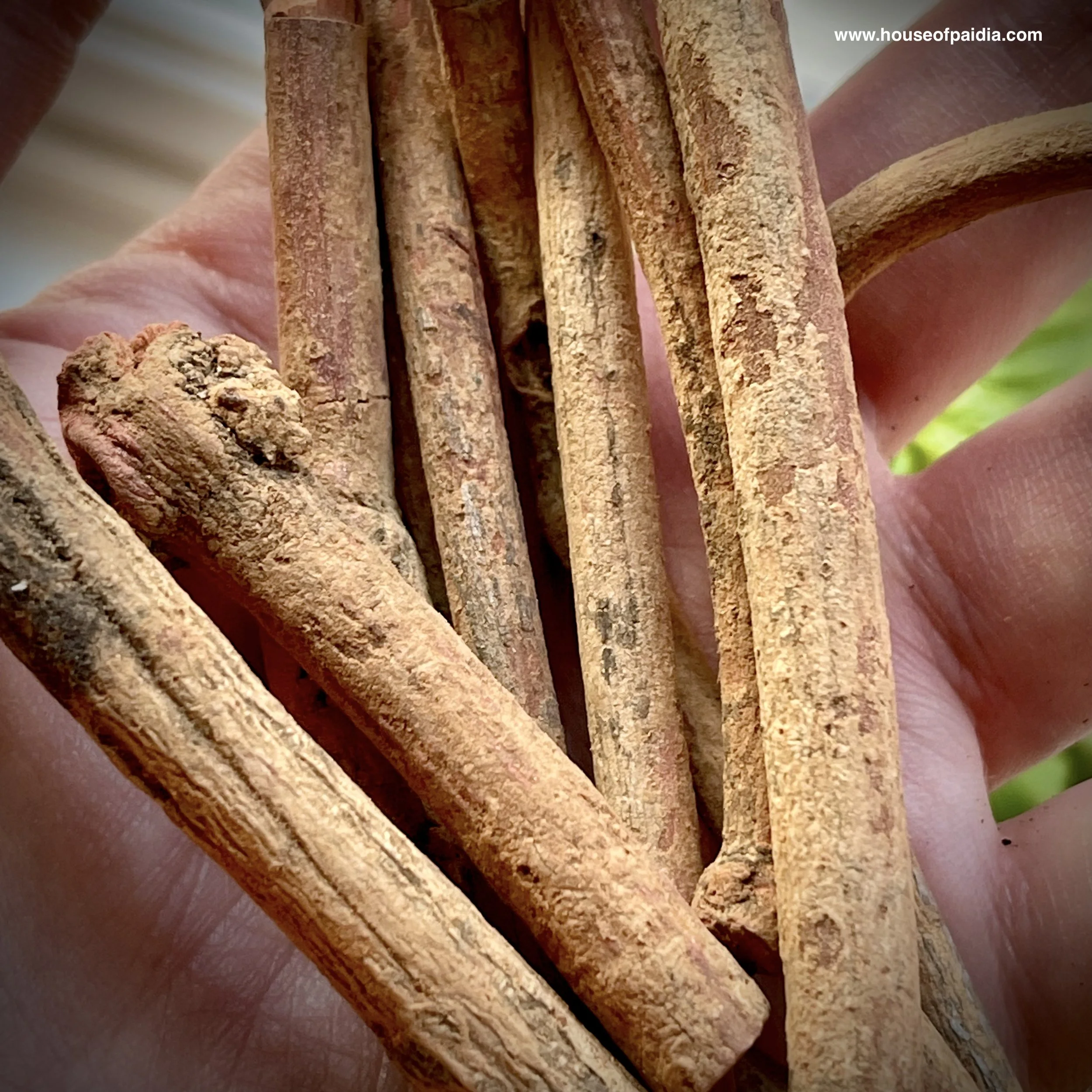
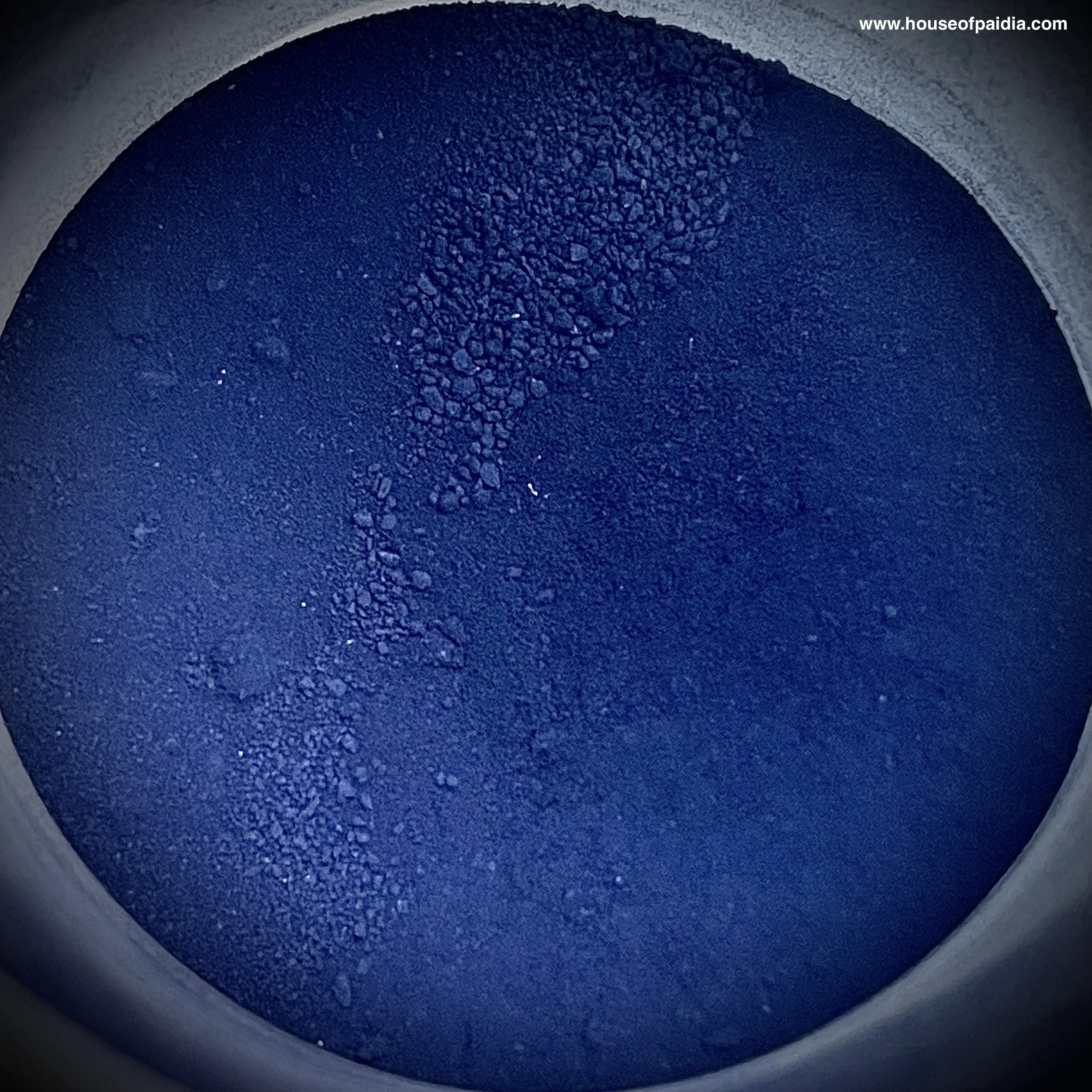
Well documented plant-based dyes include black oak bark (top left), madder root (top right), black walnut hulls (bottom right), and indigo (bottom left). Cutch is also an important historical dye. Below are samples from my personal collection of natural dyes.
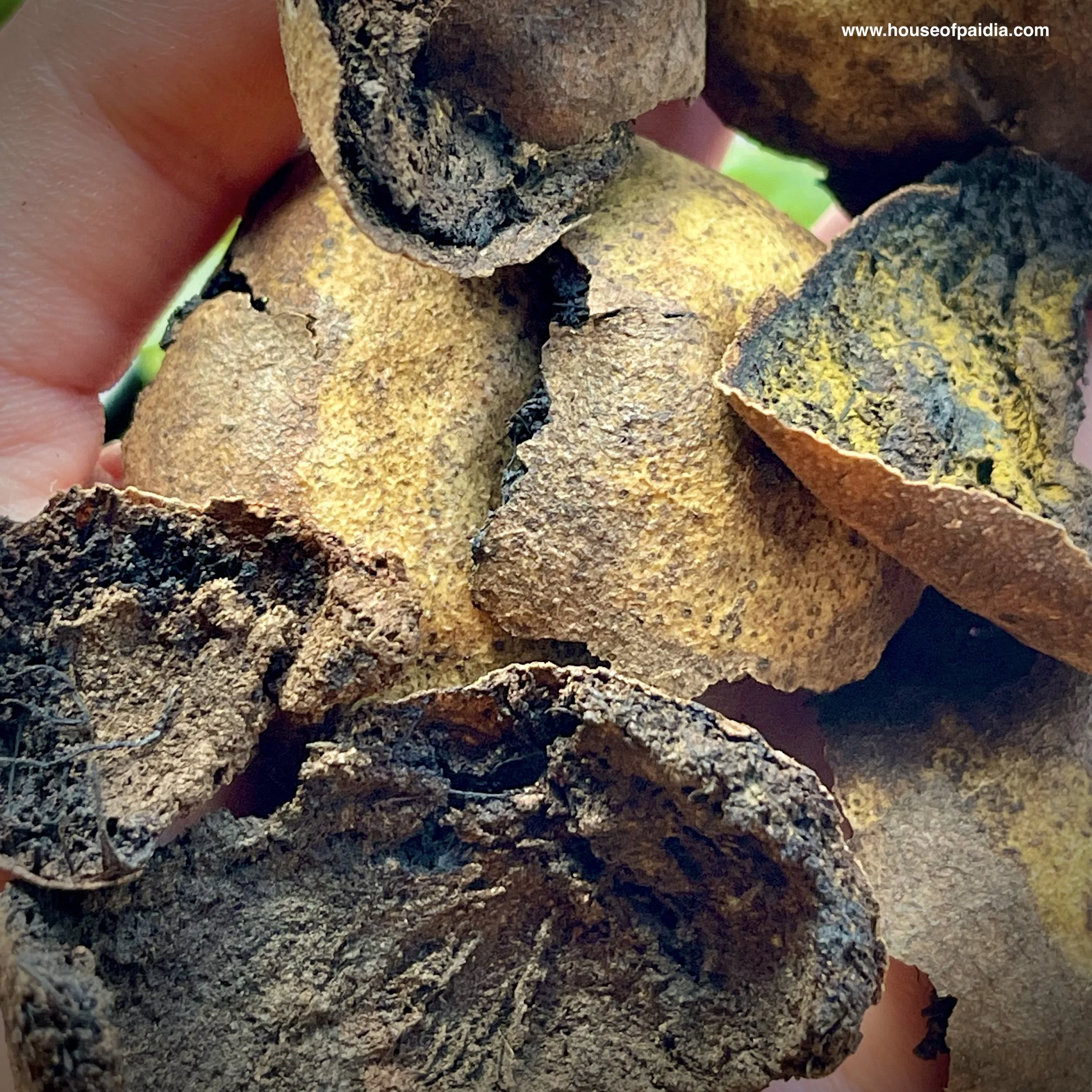
Cochineal is one of the most expensive dyes and is sourced from female cochineal beetles. They live on prickly pear cacti and produce a vibrant scarlet color that can be modified to yield a range of reds, light pinks, and deep purples. Other animal-based dyes include lac (resin secreted from female lac insects) and murex snails.
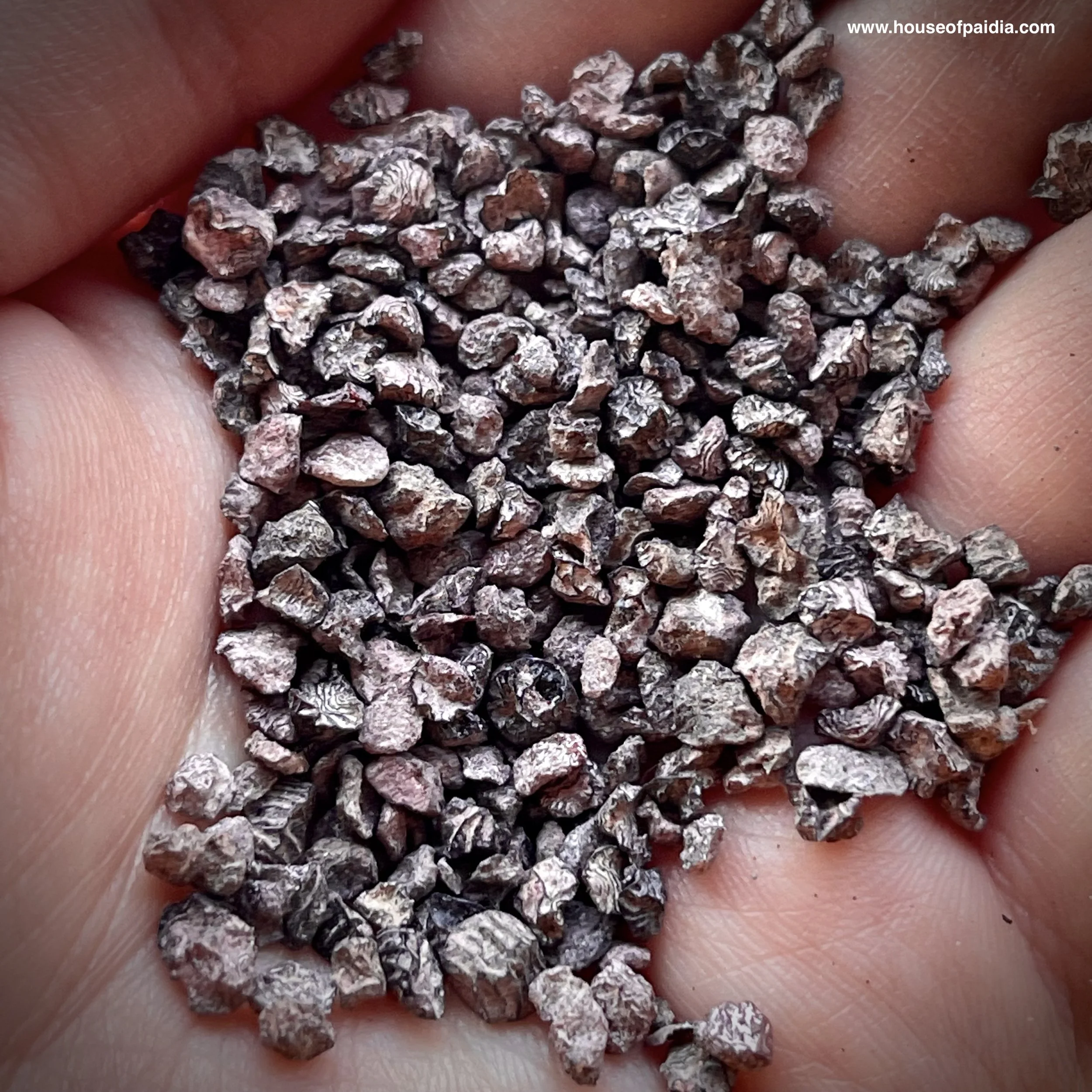
Close up of dried cochineal bugs. Only the females produce its characteristic red color.
Dyes can also come from mineral sources such as ochre (iron ore), lapis lazuli, and malachite. Metals such as copper, iron, tin, and chrome have also been used historically to alter, or modify, the color of natural dyes. I use iron sulfate to get a darker brown, muddy black color. I combine tin with black oak bark to get a vibrant yellow.